
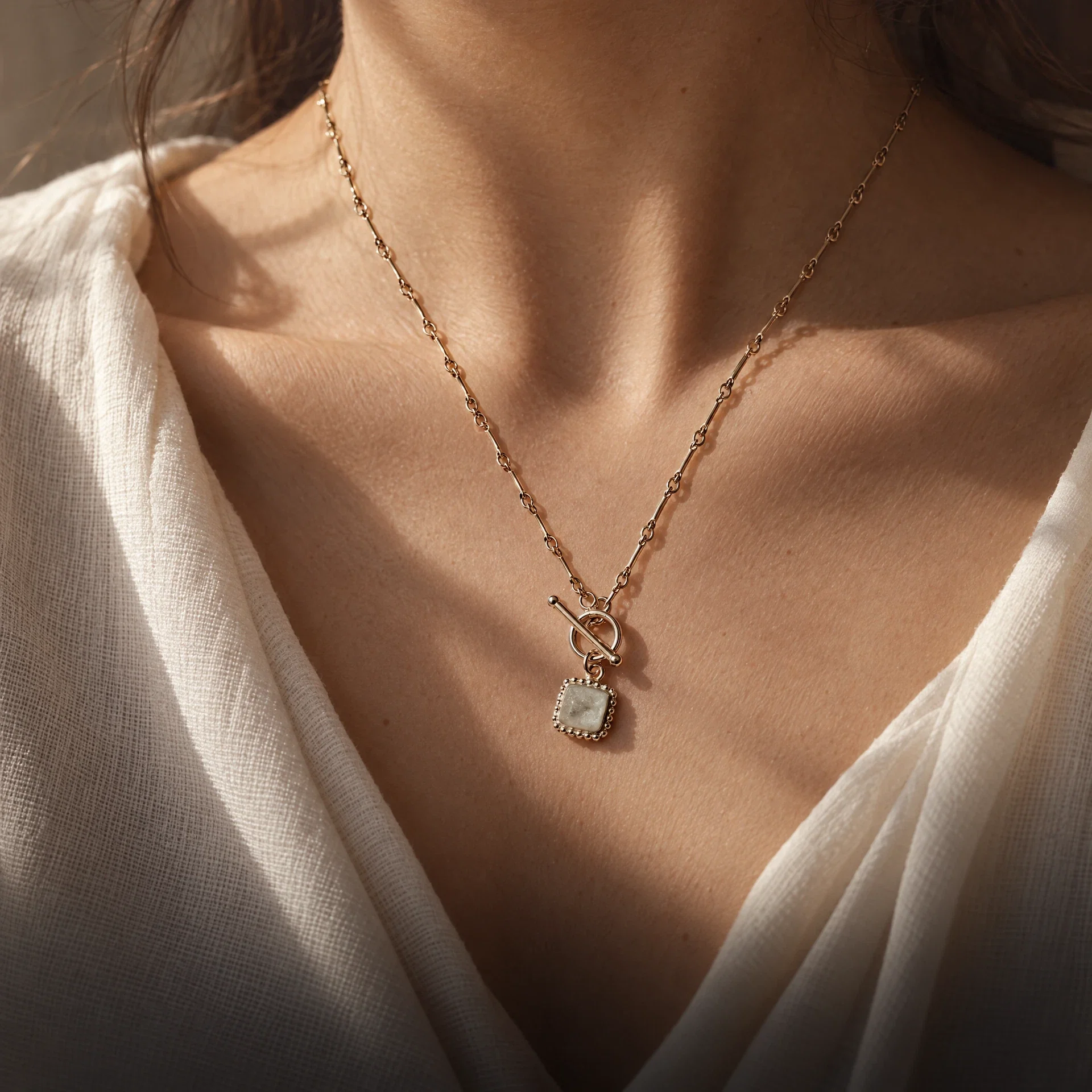
Choosing cremation bracelets can be a quiet way to keep a connection close, but there is no correct time to decide and no obligation to wear a remembrance piece. A bracelet may feel comforting, too visible, or simply impractical for your daily routine. All of those responses deserve room. Begin with the experience you want: a private detail you can notice yourself, a recognizable memorial symbol, or a piece reserved for particular occasions rather than everyday wear.
This guide treats cremation bracelets as personal keepsakes, not as a promise about how grief should feel. The most useful questions concern the bracelet’s construction, what it is intended to contain, how it fits, and what happens if it needs attention later. D LOVE JEWELRY’s cremation remembrance information offers a starting point for exploring the subject. Any specific design, material, customization option, or handling arrangement should be confirmed directly rather than inferred from a photograph or general description.
Decide What You Want the Bracelet to Hold
Not all cremation bracelets use the same keepsake format. Some designs have a small chamber intended to hold a portion of cremated remains; others may incorporate remembrance material into a decorative element. These approaches have different implications for filling, sealing, repair, and future access. Before comparing appearance, ask what the piece actually contains and how the material is enclosed. A description such as “memorial bracelet” does not, on its own, establish that a bracelet holds remains at all.
For chamber-style cremation bracelets, the closure deserves as much attention as the ornament. Ask whether there is a threaded opening, another closure mechanism, or a permanently closed component, and who is expected to handle it. Request written instructions specific to that design, including whether it should ever be reopened. Do not assume a tiny screw means a piece is watertight or suitable for home filling. If a seal is involved, ask how it affects future servicing and what limitations remain.
For cremation bracelets that incorporate material into resin or another decorative medium, ask what information can be provided about the finished element and its care. Appearance may vary, and a sample image cannot guarantee an identical color, pattern, or distribution. Establish whether the memorial element can be replaced separately if the surrounding bracelet is damaged. These are questions for a consultation, not assumptions about D LOVE JEWELRY’s manufacturing methods, available designs, or ability to perform a particular repair.
Before entrusting material for cremation bracelets, consider who should be involved in the decision. Shared family wishes, an existing agreement, or applicable local requirements may matter. Obtain written preparation and transfer instructions from the intended recipient, and seek relevant local information before sending anything. There is no universal quantity or mailing procedure appropriate to every situation. If separating any remains feels uncomfortable, a bracelet engraved with an initial, date, or private symbol may offer remembrance without containing material.
Choose a Shape and Fit That Suit Your Life
The best shape for cremation bracelets depends partly on what your hands do each day. A dangling charm can be easy to notice and touch, yet may catch on sleeves or tap against a desk. A central bar or enclosed bead may feel more discreet, but can rotate under the wrist. For example, someone who types frequently might prefer a low-profile element, while someone choosing occasional ceremonial wear may be less concerned about movement during ordinary tasks.
Fit matters because cremation bracelets can carry a heavier focal element than a simple chain. Too much slack may let that element swing into hard surfaces; too little can make the bracelet uncomfortable when the wrist bends. Measure where you expect to wear it and ask how the stated length is measured, especially if the clasp or focal section is included. Do not rely on a single generic sizing rule. A comparable bracelet you already find comfortable can provide a useful reference.
Compare closures on cremation bracelets with your actual dexterity and routine in mind. A small clasp might be difficult to fasten one-handed, while an adjustable mechanism may introduce moving parts that need checking. Ask how the closure operates, whether adjustment changes the position of the memorial element, and what signs of wear deserve attention. A secure fit is not a guarantee against loss. If fastening is consistently frustrating, occasional wear or a different jewelry format may be the more comfortable choice.
Think about visibility before selecting cremation bracelets as well. A recognizable urn motif invites different conversations from a plain-looking bead, and neither is inherently more meaningful. For example, a person who wants privacy at work might choose an understated silhouette and reserve the story for trusted people. Someone else may welcome a visible symbol. Browsing the jewelry collections showcase can help you identify visual preferences, but ask D LOVE JEWELRY to confirm whether any pictured style is relevant to your request.
Read Material Descriptions and Ask Precise Questions
Material descriptions for cremation bracelets should identify the bracelet body, the clasp, and the memorial component separately where they differ. A silver-colored chain does not establish that every part is sterling silver, and a gold-colored finish does not establish solid gold. Ask for the base metal, any surface coating, and the composition of the element holding the keepsake. If your skin has reacted to jewelry before, discuss known sensitivities and seek appropriate advice rather than relying on a general “safe for everyone” claim.
When comparing cremation bracelets described as sterling silver, the term refers to silver of at least 925 parts per thousand. Gold-filled is not the same as solid gold, and vermeil descriptions have specific conditions under U.S. Federal Trade Commission guidance. These distinctions affect how you interpret a description, not just the color you see. A stamped mark can be useful information, but it is not independent proof of authenticity. Ask for a clear written material description instead of treating a hallmark as conclusive.
Surface finishes on cremation bracelets also involve practical tradeoffs. A polished surface may show small scratches clearly, while a textured finish can make cleaning around details more involved. Plating is a surface layer rather than the same construction as solid precious metal, and its future appearance depends on multiple factors. Ask what maintenance may be appropriate and whether refinishing would affect the keepsake component. Do not assume ordinary polishing, replating, or soldering can be performed safely on every memorial design.
Photographs of cremation bracelets are useful for proportion and style, but lighting can change how metal tones and translucent elements appear. Look for stated dimensions and ask how much the focal element projects from the wrist. A simple example is comparing two bracelets with similar lengths but different centerpiece thicknesses: one may slide beneath a cuff while the other will not. The individual jewelry showcase pages may help frame these questions; they should not be read as confirmation of inventory, price, or ordering arrangements.
Plan for Care, Consultation, and Personal Boundaries
Care for cremation bracelets should follow the instructions for the complete piece, not just its most familiar metal. Chemicals, fragrance, chlorine, heat, and unsuitable ultrasonic cleaning can harm some jewelry, including delicate gems and organic or resin-based elements. Avoid assuming that a cleaning method suitable for a plain chain is suitable for its memorial component. Ask about contact with water, exercise, bathing, and cleaning products before regular wear. If those details are unclear, keep the piece away from those exposures until you have guidance.
Between wears, protect cremation bracelets from rubbing against other jewelry and from unnecessary handling of any closure. A separate soft pouch or divided compartment may help reduce contact, provided it suits the piece’s stated care requirements. Check the clasp and connecting links visually before putting it on. If you notice movement in a component that should be fixed, a damaged link, or a loose closure, stop wearing it and ask for advice. Do not experiment with adhesives, heat, or household cleaners on an irreplaceable keepsake.
A useful consultation about cremation bracelets can be brief and specific. Describe your preferred visibility, approximate wrist measurement, daily activities, and whether you want a piece that contains material or only symbolizes remembrance. Then ask D LOVE JEWELRY to confirm current options, material descriptions, written handling instructions, care limitations, and any arrangements relevant to your request. The email consultation contact page is the appropriate place to clarify these details. You do not need to disclose more personal history than feels comfortable.
If you are considering cremation bracelets for someone else, ask permission before making decisions involving remains or personal inscriptions. A surprise may create emotional or practical pressure, even when the intention is loving. You might instead offer to explore designs together or wait until the person raises the idea. For your own keepsake, choosing not to wear it every day does not diminish its significance. A bracelet can be part of remembrance, but it need not carry the whole responsibility of remembering someone.