
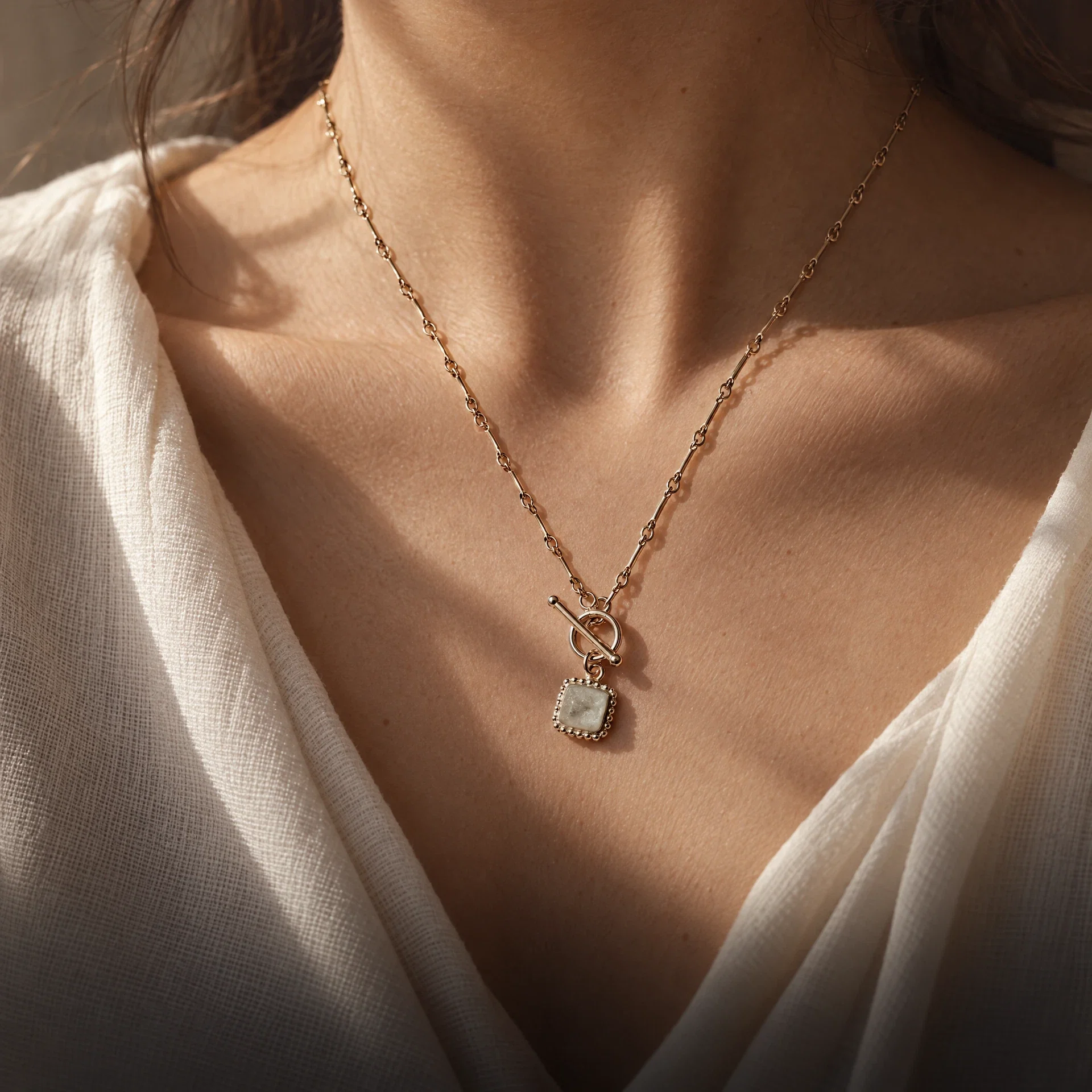
Choosing between cremation jewelry and memorial lockets is less about which option is more meaningful and more about how you want to carry a memory. One may hold a small portion of cremated remains; the other may open to reveal a photograph, inscription, or another permitted keepsake. Neither choice measures the depth of your connection. The useful questions concern what you want inside, how often you expect to wear it, and how comfortable you feel with the responsibilities attached to that particular piece.
Although the categories are often presented as separate, their boundaries can overlap. Some memorial lockets include a purpose-built compartment for cremated remains, while some cremation pendants do not open in the way a traditional photo locket does. Start with the actual construction rather than the product label. You can also decide not to wear a remembrance piece, or wait until a choice feels less demanding.
Understand What Each Piece Holds
Cremation jewelry generally refers to jewelry designed to incorporate or contain cremated remains. Depending on the design, that might mean a dedicated internal chamber or an element incorporating those remains. These are different arrangements, with different handling and care requirements. Do not assume that a pendant can be opened, refilled, repaired, or cleaned in a particular way simply because it is described as cremation jewelry.
Traditional memorial lockets usually offer an accessible interior for a photograph or another insert specified by the maker. Their appeal often lies in the small act of opening them: the memory is present but not always visible. A photograph might show a loved one, a shared place, a pet, or an ordinary moment that matters more to you than a formal portrait.
The first decision is therefore about contents. Ask yourself whether carrying physical remains feels important, optional, or uncomfortable. Then consider whether seeing an image would feel welcome. Some people prefer an abstract symbol precisely because they do not want to look at a photograph during a busy day. Others value the ability to revisit a familiar face without using a phone.
For example, a person who wants a private connection during work might choose a discreet chamber pendant. Someone who wants to change a photograph over time might prefer memorial lockets with replaceable inserts. These are examples of possible preferences, not descriptions of D LOVE JEWELRY products. The exact opening, insert size, and intended contents would need confirmation for any design under consideration.
A photo compartment should not be treated as an ash chamber unless it was specifically designed for that purpose. Likewise, an accessible closure is not necessarily secure enough for every kind of keepsake. When comparing memorial lockets, ask what the interior is intended to hold and whether a separate protective insert is required. Do not improvise a conversion based only on the piece's appearance.
Use the cremation remembrance information as a starting point for questions, rather than assuming a particular arrangement is offered. If you are considering memorial lockets alongside cremation designs, ask D LOVE JEWELRY to confirm the current details of any piece shown, including what it holds and whether its contents remain accessible.
Match the Jewelry to Your Everyday Life
A remembrance piece can be emotionally significant and still need to work with ordinary clothing, movement, and routines. Consider pendant dimensions, chain length, overall weight, and whether the piece turns or catches against fabric. A small pendant may feel unobtrusive, while a larger design may be easier to handle or accommodate a more legible photograph. Neither is automatically the better choice.
With memorial lockets, the hinge and clasp deserve attention as well as the front design. Ask whether opening requires a fingernail, whether the edge feels smooth, and whether the closure is intended for frequent use. If small fastenings are difficult for you, a photograph that can be viewed comfortably may matter more than decorative detail. Measurements are more informative than a close-up image alone.
Cremation jewelry raises an additional question: how will you feel about wearing the contents in settings where jewelry could be lost or damaged? If you regularly swim, play contact sports, or work around machinery, removing the piece may be prudent or required. A consistent place to put it when removed can be more useful than an ambitious plan to wear it continuously.
Privacy can shape the choice, too. Some memorial lockets visibly suggest remembrance; others resemble ordinary jewelry until opened. A cremation pendant may also have a neutral exterior. Think about whether you welcome questions or would rather keep the meaning private. You do not owe anyone an explanation, and you can choose a design that does not invite one.
For example, someone with a formal dress code might prefer a restrained pendant that sits beneath a shirt. Someone who enjoys expressive accessories might want a visible locket on a longer chain. When considering memorial lockets, also imagine the piece with a coat, scarf, or bag strap. Everyday friction and snagging can change how comfortable a design feels.
Review the everyday jewelry guidance with your own routine in mind. Before settling on memorial lockets or another remembrance format, write down two non-negotiables, such as manageable weight and a discreet appearance. Keeping the list short helps distinguish practical requirements from attractive details that may not matter once you begin wearing the piece.
Consider Care, Materials, and Responsibility
Care depends on the complete piece, not just the metal named in its description. A pendant may combine metal, stones, adhesive, a photograph, or an organic or resin-based element. A cleaning method suitable for one component may harm another. Ask for written care instructions that address the actual construction, including any contents, before using cleaners or attempting to open a sealed compartment.
For memorial lockets, do not assume the interior is water-resistant. Photographs and paper inserts can be damaged by moisture even when the exterior metal tolerates gentle cleaning. Ask whether the piece should be removed before bathing and how its inner surfaces should be cleaned. Avoid wetting the interior unless the instructions explicitly permit it.
Chemicals, fragrance, chlorine, heat, and unsuitable ultrasonic cleaning can harm some jewelry, pearls, delicate gems, and organic or resin-based pieces. A conservative routine is to apply personal products before putting jewelry on and avoid exposing it to cleaning chemicals. The GIA jewelry-care guidance provides general context, but it does not replace instructions for a specific remembrance design.
Material descriptions also need careful reading. Gold-filled is not solid gold. Sterling silver contains at least 925 parts silver per 1,000, and vermeil descriptions are subject to specific FTC conditions in the United States. A hallmark alone is not proof of authenticity. For memorial lockets, ask for the stated base metal, any surface coating, and care implications rather than relying on color or a stamped mark.
If cremated remains will be involved, pause before sending or transferring anything. Obtain written instructions and applicable local information first, including confirmation of who handles the material and what happens to any unused portion. Do not guess quantities, packaging, or transport requirements. Family agreement may also matter, particularly when several people share responsibility for the remains.
Accessible memorial lockets may let you replace a photograph, but that does not make every hinge or closure indefinitely serviceable. Ask whether repairs or replacement components can be discussed and what limitations apply. For a sealed cremation design, clarify whether opening it later is possible, inadvisable, or outside the intended use.
The responsibility attached to memorial lockets can feel different from responsibility for a piece containing remains. Losing either can be upsetting, but an irreplaceable photograph and a replaceable print are not the same practical situation. Keep a digital copy of a photo where possible, and decide whether wearing the original is necessary to preserve its meaning.
Make a Decision Without Rushing It
Try separating the decision into three questions: what connection do you want to carry, what object suits your routine, and what responsibilities are you comfortable accepting? Answering them in that order can prevent appearance from deciding everything. You may discover that a photo locket suits you now, while a cremation piece is something you would rather consider later.
If you are drawn to memorial lockets but uncertain about the contents, begin by choosing a photograph privately without committing to jewelry. Notice whether you want to see it regularly or prefer to keep it stored. This small exercise can clarify your preference without requiring a purchase or the handling of remains.
Before requesting a consultation, gather a short list of questions:
- What is the piece designed to contain, and can that content be changed?
- What are its dimensions, weight, and closure details?
- Which materials and finishes are stated for this design?
- What written handling and care instructions apply?
- What limitations should I understand before making a decision?
For a gift, do not assume that memorial lockets will be welcome simply because they seem gentle or familiar. Ask whether the person wants wearable remembrance at all, and let them choose the format if they do. A quiet conversation can be more considerate than a surprise, especially when photographs or cremated remains would be involved.
You can use the D LOVE JEWELRY consultation contact page to ask for current details about designs shown on the site. Treat images as a starting point, not confirmation of dimensions, materials, availability, or handling arrangements. When discussing memorial lockets, explain your practical priorities and request clarification wherever the description leaves something uncertain.
Ultimately, cremation jewelry and memorial lockets offer different ways of making remembrance tangible. The right preference is the one that respects your connection without adding obligations you do not want. Whether you choose a photograph, a purpose-designed keepsake compartment, or no wearable piece for now, there is no deadline and no hierarchy of meaning.