
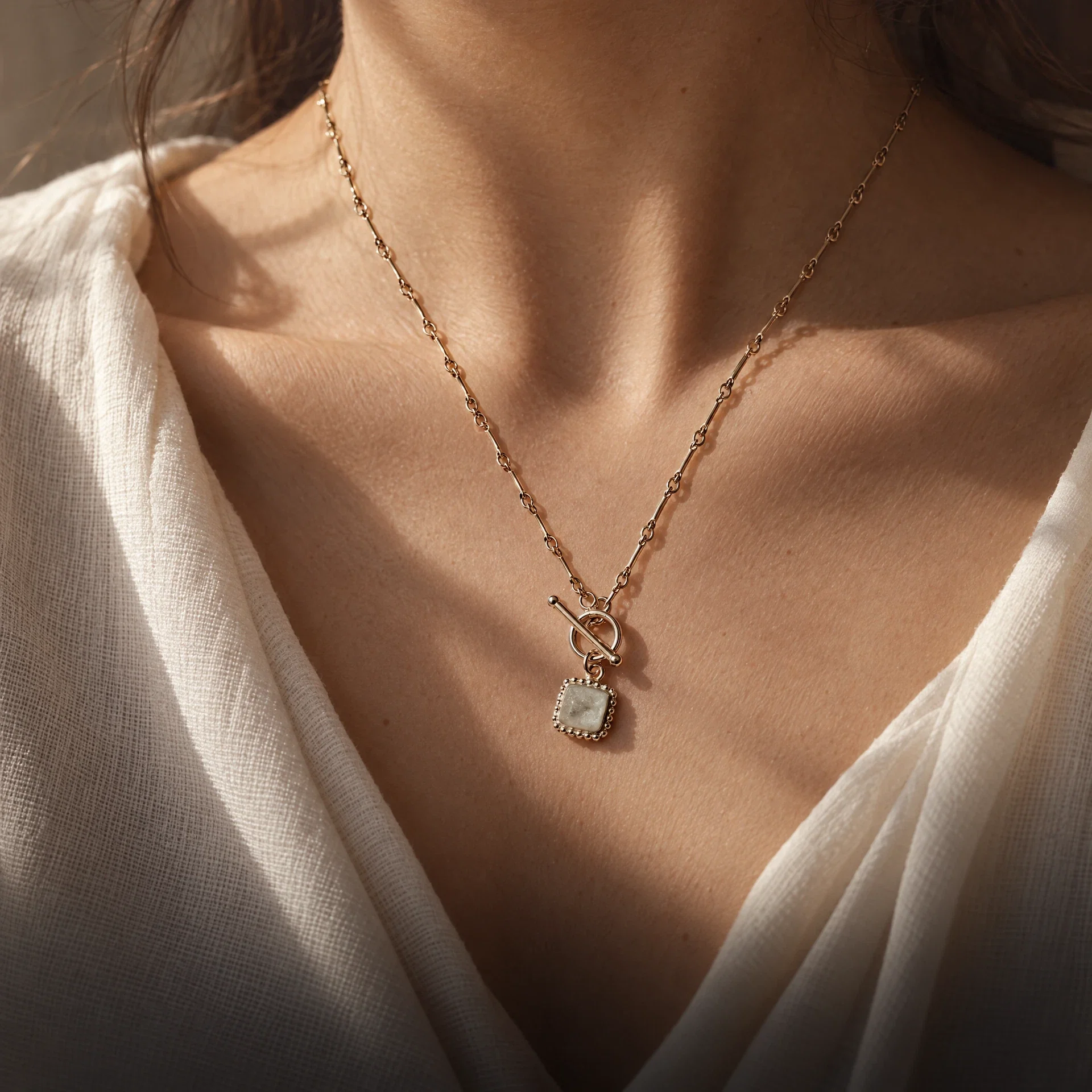
Choosing family memorial jewelry can begin with a loving wish: to give several people something tangible that connects them to someone who has died. Yet a shared keepsake also touches private feelings, family roles, money, and sometimes disagreement about what should happen to personal belongings or cremated remains. The kindest starting point is not a design. It is permission to explore an idea without expecting anyone to participate, contribute, or wear the result.
A useful approach to family memorial jewelry separates three decisions: whether someone wants a keepsake, what remembrance feels appropriate to them, and what practical arrangements everyone can accept. Those decisions need not happen together. One relative may want a pendant now, another may prefer a photograph, and a third may want no object at all. Different answers do not measure different amounts of love.
Start with permission, not a finished plan
Before discussing family memorial jewelry in a group conversation, consider whether private invitations would feel safer. A family chat can make a quiet refusal look like a public disagreement. Instead, ask each person whether they would like to hear an idea, and make clear that nothing has been ordered or decided. Avoid presenting a design with a deadline unless there is a genuine practical reason that you can explain.
Try language that leaves room for uncertainty: “I am thinking about a small keepsake connected to Mum. Would you like to discuss it, or would you rather I leave it for now?” For someone who is interested, a second question can clarify whether they want to help choose, simply receive information, or make their own arrangements. Silence should not be treated as agreement.
Consent matters especially when family memorial jewelry would involve cremated remains, a lock of hair, or part of a meaningful possession. Agreement to remember someone is not automatically agreement to divide, alter, or incorporate those materials. Identify who has authority to make the relevant decision, and seek applicable local guidance where necessary. If ownership or permission is disputed, pause rather than treating the project as a way to resolve the dispute.
A practical boundary for family memorial jewelry is to make participation reversible while the plan is still only a conversation. Someone may initially agree and later feel uncomfortable. Explain when a decision would become difficult to change, but do not use that point to hurry them. If a relative withdraws, adjust the plan without asking them to defend their feelings to everyone else.
For example, two siblings might welcome an engraved pendant while a third prefers an unaltered handwritten recipe. The shared connection can be their parent’s handwriting, not an identical object. Avoid majority votes on personal participation: a group can choose a meeting time, but it cannot vote someone into wearing a remembrance piece.
If you are considering a keepsake containing cremated remains, the cremation jewelry overview can help frame your questions. Ask D LOVE JEWELRY to confirm current details rather than assuming a particular design, material, or process is offered. Before sending anything, obtain written instructions and check applicable local information; a discussion does not establish permission to transfer materials.
The best first outcome for family memorial jewelry may therefore be a short list of willing participants, unanswered questions, and people who would rather revisit the subject later. That is enough progress. A respectful pause is more useful than a complete plan built on reluctant agreement.
Separate shared meaning from identical choices
Matching family memorial jewelry can feel unifying, but identical pieces are not the only way to create a connection. A shared initial, a familiar phrase, a simple shape, or a reference to a favorite place may work across different designs. Decide which element carries the meaning before deciding whether everything must match. This often reduces conflict between people with different tastes.
Start with ordinary wearing habits. Does the person already wear necklaces, rings, or bracelets? Would a visible inscription feel comforting or too public? Could a piece interfere with work, sports, caregiving, or frequent handwashing? A pendant may suit someone who dislikes rings, while another person may prefer an object kept at home. There is no requirement that a memorial be worn daily.
For family memorial jewelry, distinguish a symbol of someone from a material belonging to them. A flower motif inspired by a garden can carry meaning without incorporating remains or altering a treasured possession. Conversely, someone who specifically wants a material connection may find a symbolic design insufficient. Neither preference is more authentic. Ask what matters to the recipient rather than choosing what seems most emotionally significant to you.
Consider an example involving three cousins remembering their grandfather. They might choose the same short phrase but request different placements: visible on one piece, discreet on another, and absent on the third. If customization is relevant, ask D LOVE JEWELRY to confirm what is currently possible, including any limitations on text, layout, and legibility.
A helpful design brief for family memorial jewelry has two columns in a notebook: “shared meaning” and “individual preference.” The first might contain a date or symbol; the second might record size, preferred jewelry type, and whether the reminder should be private. You do not need everyone’s intimate explanation. Record only what is needed to avoid an unsuitable choice, and ask before sharing those notes with others.
Use the jewelry collections showcase as a visual starting point, not evidence of current availability. Ask about the specific details that matter to each participant. If preferences cannot be accommodated within one design, separate choices may be better than compromise pieces that nobody feels comfortable using.
Sometimes family memorial jewelry works best as a shared theme rather than a shared commission. Relatives can choose independently, at different times, with no expectation of equal spending. The connection remains in the story they have chosen to carry, not in identical objects or synchronized decisions.
Make money, materials, and responsibility explicit
Money can quietly turn family memorial jewelry into an obligation. Before anyone investigates designs, establish whether this is a gift, an optional shared expense, or several independent purchases. Do not assume that relatives with similar incomes have similar budgets. Avoid collecting money until the relevant details have been confirmed and every contributor understands what they are agreeing to.
A gift budget should belong to the giver, not become a request that recipients upgrade, contribute, or explain why they declined. For a shared expense, agree on a private way to state a spending limit. If the options exceed someone’s limit, simplify the plan or separate the choices. Equal emotional importance does not require equal financial contributions.
Material descriptions deserve careful attention when comparing family memorial jewelry. Gold-filled is not solid gold. Sterling silver is at least 925/1000 silver, while vermeil descriptions have specific FTC conditions in the United States. A hallmark can be useful information, but it is not proof of authenticity by itself. Ask for a clear written description of the relevant metal, finish, and other components rather than relying on color or photographs.
For any organic or resin-based keepsake, ask what care limitations apply and what details can be confirmed about its construction. Do not assume that different materials tolerate the same conditions. A person who wants an everyday piece may need different guidance from someone who intends to store it and wear it occasionally.
With family memorial jewelry, appointing one contact person can reduce repeated questions, but that person should not become the family’s emotional spokesperson. Give them a narrow role: gather confirmed details, share options, and record decisions. Questions involving authority over remains or possessions should go to the appropriate person, not automatically to whoever is organizing the jewelry.
Before making a commitment, use the D LOVE JEWELRY email consultation contact to ask about current design details, costs, timing, and any applicable terms. Treat each as something to confirm, not something established by the showcase. Ask for written instructions before sending any personal material. Keep a copy of the agreed choices so nobody has to rely on memory.
A simple decision record for family memorial jewelry can state who is participating, what each person has chosen, who may authorize use of a personal material, and which questions remain open. Keep it practical and private. It should prevent confusion, not become a contract requiring someone to feel grateful or wear the piece.
Offer the keepsake gently and allow its meaning to change
Presenting family memorial jewelry does not need a ceremony. Ask whether the recipient would prefer a private handover, a quiet delivery arrangement to be confirmed, or another time altogether. Birthdays, anniversaries, and family gatherings can already carry strong feelings. A meaningful date is not automatically the most comfortable moment to introduce a keepsake.
A short note can remove expectations: “This made me think of Dad. There is no need to wear it or open it today.” Avoid language such as “Now we will all have him with us,” which assigns one meaning to everyone. If the person declines, accept the answer without negotiating. Discuss what should happen to the object only when necessary and without making refusal feel wasteful.
The care plan for family memorial jewelry should be as individual as the choice itself. Chemicals, fragrance, chlorine, heat, and unsuitable ultrasonic cleaning can harm some jewelry, including pearls, delicate gems, and organic or resin-based pieces. Obtain material-specific guidance before cleaning. Do not assume that a method suitable for a plain metal piece is suitable for a composite keepsake.
Allow the recipient to decide where the piece belongs in daily life. It may be worn often, reserved for certain days, or kept somewhere private. Removing it for work or putting it away for months is not rejection. If someone wants a more practical wearing option, the everyday jewelry overview can prompt questions about fit and routine, with current details still needing confirmation.
Over time, family memorial jewelry may acquire a meaning different from the one imagined by its giver. A visible reminder may become a private object, or an unworn piece may later feel welcome. Let that change happen without checking how often it is used. The most generous shared keepsake preserves both a connection and the freedom to remember differently.